Where Does Turkish Tea Grow?

Turkish tea is a plant that primarily grows in the Black Sea Region. This area is one of the most suitable places for tea in terms of climate and soil conditions. Here, tea plants thrive perfectly due to the high humidity and mild climate. Especially the areas around Rize are among the most productive regions for tea cultivation. In these areas, the temperature and rainfall necessary for the growth of tea plants support their healthy development.
Tea cultivation in the Black Sea Region is a tradition that has lasted for centuries. Tea holds significant economic and social importance in this region. Local farmers in the tea fields of Rize harvest tea using traditional methods, producing natural and organic tea. This situation enhances the quality of Turkish tea and ensures its recognition worldwide. Additionally, families engaged in tea cultivation in this region have a significant impact on tea culture and tradition.
The geography where Turkish tea grows is notable not only for its climate but also for its soil structure. Tea plants prefer acidic and nutrient-rich soils. The volcanic soils found in the Black Sea Region provide an ideal environment for tea plants. The richness of these soils in minerals is one of the factors that enhance the flavor and aroma of the tea. Furthermore, this soil structure supports the root development of tea plants and helps them grow healthily.
All these factors are significant elements that affect the quality and naturalness of Turkish tea. Turkish tea grown in the Black Sea Region thrives in high mountainous areas, supported by cool breezes and abundant rainfall. These characteristics distinguish Turkish tea from other varieties. As a result, Turkish tea maintains its naturalness and quality through its geographical location and agricultural methods. This contributes to Turkish tea being a preferred beverage worldwide.
What Are the Natural Cultivation Methods of Turkish Tea?

Turkish tea is primarily cultivated using natural methods, especially in the Black Sea Region. The suitable climatic conditions and soil structure in this region enhance the quality of the tea. Traditional methods used in agriculture minimize the use of chemical fertilizers and pesticides, preserving the naturalness of the tea. By being cultivated naturally, tea plants allow for the production of a product that does not harm human health. As a result, Turkish tea becomes more appealing to both the local population and consumers worldwide.
Tea producers in the region adopt organic farming techniques to maintain the natural balance of the tea. These techniques involve the use of natural fertilizers and green manuring methods to enhance soil fertility. Additionally, biological control methods are preferred in combating harmful insects. This ensures an environmentally friendly production process, resulting in healthy and natural tea production. This situation builds consumer trust and enhances the quality of Turkish tea.
Another important method used in Turkish tea production is water management. Properly adjusting the amount of water needed for tea plants ensures their healthy growth. Efficient use of water resources is crucial for environmental sustainability and plays a critical role in preserving the flavor characteristics of the tea. Therefore, producers are turning to water-saving methods and using water resources consciously.
Lastly, the hand-picking method is employed in Turkish tea production. This method ensures that tea leaves are harvested at the most suitable time, enhancing the aroma and flavor quality of the tea. Hand-picking allows for a more careful approach in harvesting tea leaves, making it possible to collect them without damage. Furthermore, this method provides an additional source of income for local communities and contributes to the continuation of traditional agricultural practices.
What Are the Health Benefits of Turkish Tea?

Turkish tea stands out not only for its flavor but also for the health benefits it offers. Thanks to its antioxidant properties, it fights free radicals in the body and delays aging. Rich in polyphenols, Turkish tea strengthens the immune system by preventing cell damage. With these features, regular tea consumption can help maintain a healthier lifestyle.
Turkish tea has significant effects on protecting heart health. Research shows that regular tea consumption may reduce the risk of heart diseases. The flavonoids in tea help widen blood vessels, increasing blood flow and assisting in balancing cholesterol levels. Therefore, the heart health-supporting effects of Turkish tea make it an indispensable part of a healthy lifestyle.
Turkish tea also contributes positively to the digestive system. Especially when consumed after meals, it reduces indigestion issues and helps balance stomach acid. The natural components in tea enhance the function of digestive enzymes, allowing for better digestion of food. For this reason, Turkish tea is preferred as a beverage that supports digestive health by providing relaxation after meals.
Finally, Turkish tea also contributes to mental health. The caffeine it contains increases mental alertness and strengthens concentration. Regular tea consumption may help reduce stress levels and improve mood. Additionally, the warmth and aroma of the tea provide a sense of relaxation, allowing one to escape from the stresses of daily life.
What Are the Differences Between Turkish Tea and Other Teas?

Turkish tea is a beverage with unique characteristics among the many types of tea consumed worldwide. Especially grown in the Rize and Eastern Black Sea region, Turkish tea is processed without undergoing fermentation, which makes its aroma and flavor distinctive. While other teas are generally classified as green, black, or white tea, Turkish tea is known solely as black tea, setting it apart.
One of the most notable features among different types of tea is their processing methods. Turkish tea is obtained by steaming the leaves directly and then drying them. This process helps preserve the natural components of the tea. On the other hand, other types of tea are mostly subjected to oxidation. This process affects the taste and aroma of the tea. Therefore, Turkish tea offers a more natural and pure drinking experience.
Additionally, Turkish tea often varies in terms of brewing time and temperature. While Turkish tea is typically prepared using specific brewing methods, other types of tea require different temperatures and time intervals. This directly impacts the flavor profile of the tea. The brewing time for Turkish tea is generally longer, resulting in a rich and intense flavor.
Finally, the presentation of Turkish tea is another aspect that distinguishes it from other teas. Turkish tea is usually sweetened and served in small glass cups. Other types of tea can often be presented with various beverages or sweeteners. This cultural difference shows that Turkish tea is not just a drink but also a tradition. Therefore, Turkish tea offers a rich experience in both taste and cultural context compared to other types of tea.
What Are the Aroma and Flavor Characteristics of Turkish Tea?

Turkish tea stands out with its unique aroma and flavor characteristics. Especially the teas grown in Rize and its surroundings offer a deep and complex flavor profile due to the rich soil composition. When tasting these teas, a slight sweetness and a smooth drinking experience are often felt. Additionally, the tea's natural acidity and refreshing effect are significant elements that distinguish it from other teas. Thus, Turkish tea becomes a preferred beverage both for daily consumption and special occasions.
The aroma profile of Turkish tea is enriched by the influence of various herbs and flowers. Particularly, the method of processing the tea plays a significant role in highlighting its aromas and flavors. While the tea leaves are carefully harvested and dried, processing them using natural and traditional methods enhances their aromatic properties. During this process, factors such as the drying time and temperature of the tea have a decisive impact on the final aroma. As a result, Turkish tea offers a unique drinking experience with its rich aroma and flavor depth.
- Light sweetness providing freshness
- Balanced flavor with natural acidity
- Rich aroma profile
- Traditional processing methods
The brewing time of the tea is also a critical factor affecting its aroma and flavor characteristics. Turkish tea is typically brewed with boiling water, which brings out the tea's flavor. Teas brewed for a long time offer a more intense flavor profile, while those brewed for a shorter time provide a lighter and more refreshing experience. Additionally, ingredients such as sugar and lemon used during the presentation of the tea are among the elements that enrich the overall flavor experience of the tea. This variety makes Turkish tea a beverage that appeals to every palate.
What Are the Best Turkish Tea Brands?
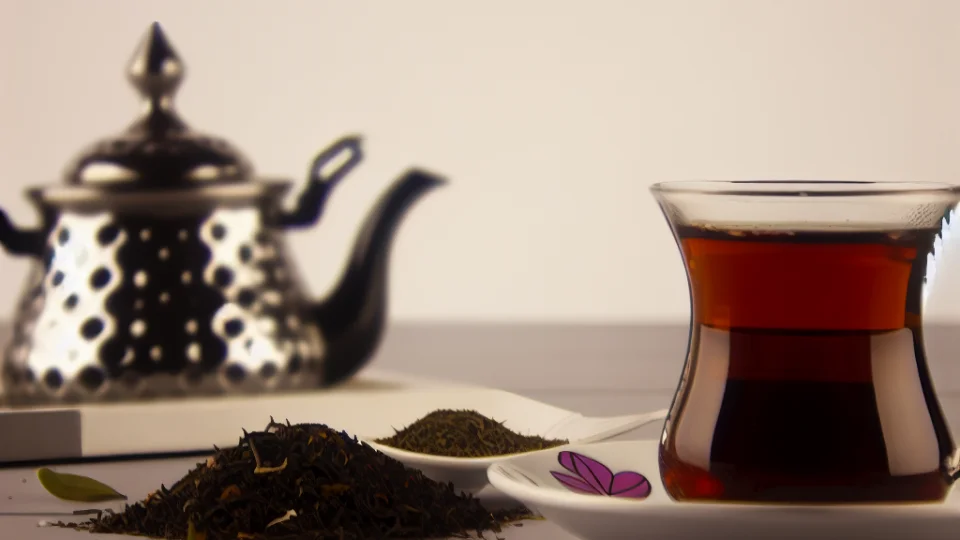
Turkish tea is a globally recognized and beloved beverage, produced by many different brands. These brands place great importance on factors such as the quality of the tea, the production process, and the flavor. One of the most popular tea brands in Turkey, Çaykur, is known for its high-quality tea production. Çaykur has established a significant presence in both local and international markets with its teas produced using both traditional and modern methods. The brand's various types appeal to consumers' tastes while also standing out for the quality it provides.
Another important Turkish tea brand is Doğuş Çay. Doğuş Çay is recognized for its natural and organic products, offering healthy options to consumers. The brand's teas are produced using natural cultivation methods, maximizing the flavor and aroma of the tea. Doğuş Çay presents a highly attractive option for tea lovers seeking different flavors with its special blends.
Filiz Çay is also one of the prominent brands that come to mind when talking about Turkish tea. Filiz Çay offers the traditional Turkish tea flavor with a modern twist, securing a strong position in both local and international markets. The various teas offered by the brand gain appreciation from consumers with their different flavor profiles. The quality of Filiz Çay is particularly evident in the meticulousness shown during the processing of the tea.
Lastly, the brand Çay Bakkalı stands out especially for its boutique tea production. By collaborating with local farmers, Çay Bakkalı offers organic and natural teas, providing consumers with the opportunity to experience different and unique flavors. This brand not only focuses on tea but also organizes events aimed at preserving tea culture, attracting the interest of tea enthusiasts.
How to Brew Turkish Tea Correctly?

Turkish tea is a beverage that requires a special brewing method. Proper brewing is crucial for maximizing the aroma and flavor of the tea. First of all, the quality of the water used is very important. Using boiled and rested water instead of tap water will positively affect the taste of the tea. Additionally, it is recommended that the water is soft and low in minerals. Brewing with the right water will bring out the natural flavor of the tea.
The teapot you use for brewing is also important. Traditional Turkish teapots ensure that the tea brews evenly while keeping the tea warm with the steam from the boiling water below. When brewing tea, it is necessary to adjust the amount of tea in proportion to the amount of water. Generally, using one glass of water for each teaspoon of tea is an appropriate ratio. Paying attention to this ratio will ensure a balanced taste of the tea.
After the tea has brewed, it should be left to rest for a certain period. The brewing time can vary depending on the quality of the tea, but generally, 10-15 minutes is an ideal duration. At the end of this time, the color of the tea will darken, and it will fully develop its aroma. Also, if you are considering sweetening your tea with sugar or lemon, this should be done during serving, not during brewing. This way, the natural taste of the tea remains intact.
Finally, before serving the brewed tea, the water under the teapot must remain boiling to keep the tea warm. When serving, pouring the tea gently into the cup will allow you to fully experience the flavor and aroma of the tea. Additionally, if you let your tea rest before drinking, you will notice that its taste becomes even richer. When brewed correctly, Turkish tea becomes not just a beverage, but also a delightful experience.