Where Does Turkish Tea Come From? History and Origins

The origins of Turkish tea date back to centuries ago. China, known as the homeland of tea, is considered the place where tea was first discovered. However, Turkish tea has gained its unique character particularly through the tea leaves grown in the Eastern Anatolia and Black Sea regions. During the Ottoman Empire, tea became an indispensable part of society. The socio-cultural impacts of tea during this period hold a significant place in the daily life of Turkish society.
- First discovery of tea: 2737 B.C.
- Spread of tea during the Ottoman period
- Importance of tea in Turkish culture
- Modern tea production techniques
The history of Turkish tea has become richer with the expansion of the Ottoman Empire into different geographies. Especially in the 19th century, with the British starting to import tea from India, a period emerged where the importance of domestic production of Turkish tea increased. During this time, the increase in areas where tea was cultivated and the development of production techniques led to a significant transformation in Turkey's tea sector. Today, the Rize region and its surroundings offer the finest examples of Turkish tea.
Turkish tea is not just a beverage; it is also an inseparable part of Turkish culture. Tea is one of the first drinks served to guests and is an element that strengthens social interaction. Conversations held over tea reveal the cultural dynamics of Turkish society. The presentation, brewing, and consumption of tea reflect the traditional lifestyle of the Turkish people. Therefore, Turkish tea is not only a drink but also a cultural symbol.
In recent years, concepts such as organic farming and sustainability have come to the forefront in Turkish tea production. Reducing the use of chemical substances in agriculture and adopting environmentally friendly practices are important steps to enhance the quality of Turkish tea. Additionally, supporting local producers and opening direct access routes for consumers hold great potential for the future of Turkish tea. In this context, Turkish tea continues to be a remarkable beverage with both its historical roots and modern approaches.
Turkish Tea Brands: Which Brands Stand Out?

Turkish tea is a beverage known for its unique flavor and aroma around the world. There are many brands that offer this extraordinary experience. The teas produced in different regions of Turkey vary according to local climate conditions and soil structure. Tea brands generally reflect these differences, developing their own unique flavor profiles. For many, tea is not just a drink but also a culture and a lifestyle. Therefore, Turkish tea brands hold great importance in terms of both quality and traditional values.
One of the prominent tea brands in Turkey is Çaykur, known for its high-quality tea production. Established in 1947, this brand holds the title of Turkey's largest tea producer. Çaykur caters to every palate by offering a variety of flavor options. Especially, Çaykur Rize tea is one of the products that best reflects Turkey's tea culture. Additionally, the brand draws attention with its environmentally friendly production methods.
Another important brand is Doğuş Çay. This brand is known for its natural and additive-free products. Doğuş Çay offers its users a delicious and healthy alternative with its teas. Moreover, by collaborating with local producers, it contributes to the regional economy. This feature is a testament to the steps the brand has taken towards sustainability. Doğuş Çay has won many awards both locally and internationally.
Lastly, the brand Çay Sanayi is also one of the names that come to mind when talking about Turkish tea. This brand aims to provide the best experience to its users by focusing on the tea brewing method. Çay Sanayi's product range encompasses a wide variety from flavored teas to traditional brewed teas. The brand's products are often prepared using handmade and natural ingredients, which distinguishes it from other brands.
What Are the Flavor Characteristics of Turkish Tea?

Turkish tea stands out with its unique flavor and aroma profile. The tea plants, typically grown in the fertile lands of the Black Sea Region, are the most important elements that define the character of the tea served here. Turkish tea is classified as a black tea and generally offers a distinct aroma along with a strong taste. Particularly, the richer flavor of the tea leaves due to the warm climate is one of the main reasons for the uniqueness of this tea.
When brewed, Turkish tea takes on a dark red color, indicating its richness. During consumption, the balance of slight bitterness and sweetness that the tea leaves on the palate sets it apart from other types of tea. This flavor balance can also vary with different brewing methods; for instance, brewing the tea with hot water makes its flavor more intense. Additionally, serving the tea with natural sweeteners can add different layers to its flavor profile.
- Rich aroma and flavor profile
- Flavor that changes with different brewing methods
- Balance of slight bitterness and sweetness on the palate
- Flavor enriched by the effects of a warm climate
Turkish tea is notable not only for its taste but also for its health benefits. Rich in antioxidants, this tea can strengthen the immune system and boost metabolism when consumed regularly. Additionally, the caffeine content in Turkish tea helps to increase energy levels. However, excessive consumption may negatively affect the sleep pattern in some individuals, so attention should be paid to the amount consumed.
What Are the Differences Between Ottoman Tea and Turkish Tea?
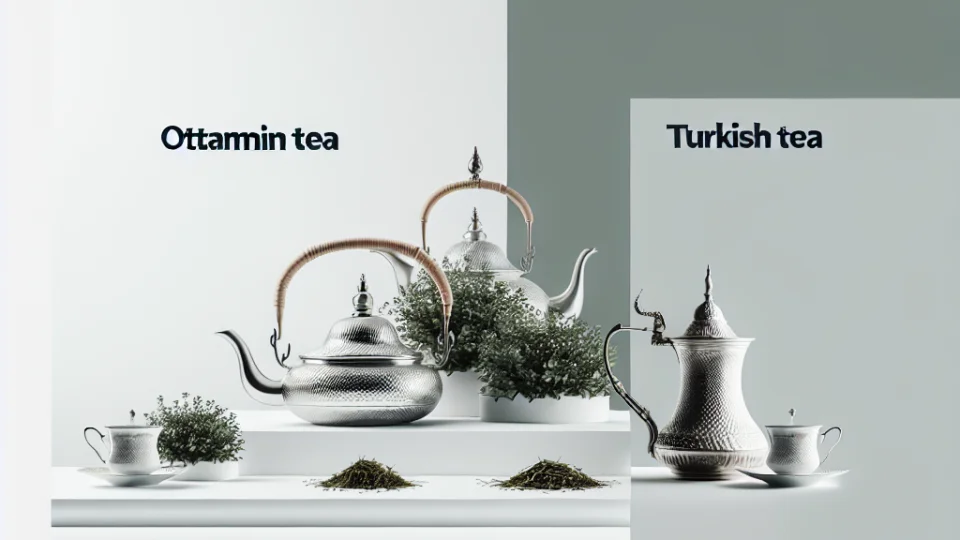
There are distinct differences between Ottoman tea and Turkish tea. Firstly, Ottoman tea is known as a beverage that gained popularity during the Ottoman period, while Turkish tea represents a more contemporary and modern brewing tradition. Ottoman tea is typically enriched with various spices and herbs, whereas Turkish tea is prepared using a simpler method. This difference reflects the cultural background and preparation style of both beverages.
Another significant difference is the flavor profiles. Ottoman tea generally offers a more intense and complex taste experience, while Turkish tea provides a lighter and smoother drinking experience. The spices used in Ottoman tea add different aromas to the beverage, while Turkish tea appeals to the palate, especially with high-quality tea leaves from the Rize region. Therefore, the tasting experiences of both teas are quite different, and these differences play an important role in consumer preferences.
Additionally, the presentation styles also create a distinction between these two teas. Ottoman tea is typically served with rich and lavish presentations, while Turkish tea is presented in a simpler manner, usually in slender-waisted tea glasses. These presentation differences reflect the cultural context of both teas and how they are consumed in social settings. Turkish tea is an indispensable part of gatherings with friends and family conversations, while Ottoman tea has become a beverage preferred on special occasions.
Finally, the preparation methods also differ. Ottoman tea is usually prepared using a teapot on the stove, while special teapots are used for Turkish tea. The brewing process of Turkish tea plays a crucial role in bringing out the aroma and flavor of the tea. This brewing method enhances the tea's taste, providing drinkers with an enjoyable experience. The preparation, drinking traditions, and cultural contexts of both teas are significant elements that distinguish them.
How to Brew Turkish Tea? Ideal Brewing Methods
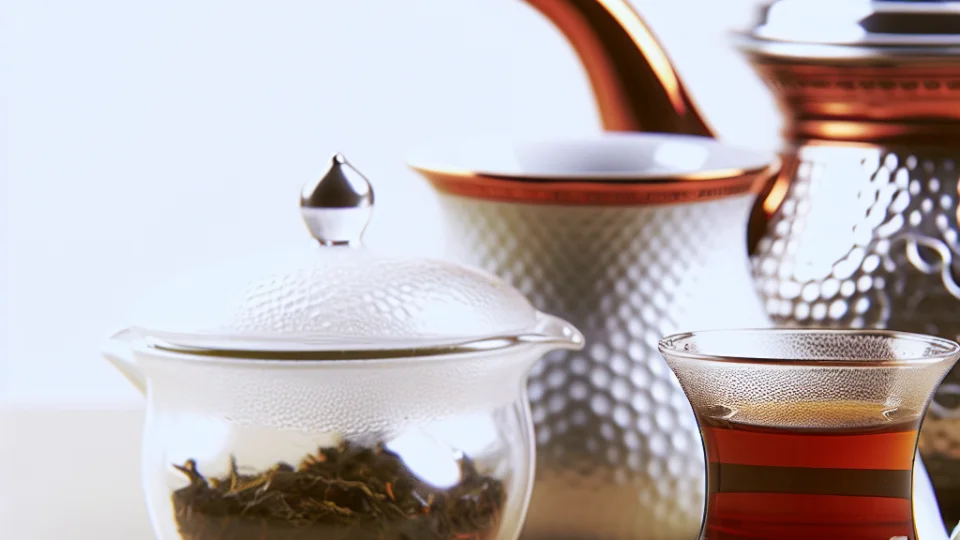
The ideal brewing method for Turkish tea is of great importance in terms of flavor and aroma. First of all, the quality of the water used for a good Turkish tea is also quite significant. Choosing soft drinking water enhances the tea's flavor. Water should be placed in the bottom part of the teapot and boiled, while the measured tea should be added to the top part. When the tea meets the water during brewing, it should be left to brew for about 10-15 minutes to better extract the essence of the tea. During this time, the tea leaves open up and the flavor infuses into the water.
The brewing temperature of the tea is also critical. The temperature required for the tea leaves to open is generally between 90-95 degrees Celsius. This temperature allows the tea leaves to fully release their essences into the water. Boiled water from the bottom should be added to the tea on top of the teapot to continue brewing. This method enriches the flavor of the tea while also beautifully lightening its color. If you want your tea to have a stronger taste, you can extend the brewing time.
Another important point is how long the tea should brew. It is generally said that the tea should brew for 15-20 minutes. However, this time can vary according to personal preferences. The sweetness and strength of the tea are directly related to the brewing time. If you prefer a lighter and smoother tea, you can shorten the brewing time. On the other hand, if you want a more intense flavor, you should increase the brewing time. Therefore, trying your tea for the first time will help you find the ideal brewing time.
Finally, another aspect to consider when serving Turkish tea is the presentation of the tea. Traditionally, Turkish tea is served in slender-waisted tea glasses. These glasses help maintain the temperature of the tea while providing an elegant visual presentation. When serving your tea, you may offer a slice of lemon or sugar on the side if you wish. This will enrich the flavor of the tea and provide a pleasant experience for your guests. Remember, Turkish tea is not just a beverage but also a culture and a social experience.
What Are the Health Benefits of Turkish Tea?

Turkish tea is a beverage known for its antioxidant properties. The polyphenols it contains help neutralize free radicals in the body, preventing cell damage. This can reduce the risk of serious health issues such as heart diseases and cancer. Additionally, regular tea consumption can strengthen the immune system, making it more resilient against illnesses. Therefore, incorporating Turkish tea into daily life offers significant benefits for our health.
Turkish tea is also noted for its ability to boost metabolism. The caffeine it contains increases energy levels, helping you feel more alert. Moreover, caffeine has a supportive effect on fat burning. For this reason, Turkish tea can be an important ally, especially for individuals aiming to lose weight. With regular consumption, it can enhance your physical performance and contribute to achieving a healthier body.
Turkish tea stands out as a beverage that reduces stress and provides mental relaxation. The L-theanine amino acid it contains can enhance mental clarity and may be effective in reducing anxiety and stress. Enjoying a cup of Turkish tea can help you unwind from the day's fatigue and feel more peaceful mentally. In this regard, it can be said that Turkish tea contributes not only to physical health but also to mental well-being.
Additionally, Turkish tea has positive effects on oral health. The fluoride it contains strengthens tooth enamel and helps prevent cavities. Furthermore, regular tea consumption can maintain oral health and reduce bad breath issues. With its delightful flavor and health benefits, Turkish tea stands out as a beverage that should be preferred in daily life.
What Snacks Pair Well with Turkish Tea?

Turkish tea is an indispensable part of traditional Turkish culture and is especially served during lunch and dinner hours. This unique tea pairs perfectly with many snacks due to its flavor and aroma. Snacks typically served during tea times are ideal for complementing the taste of the tea. In particular, savory and sweet treats balance the flavor of the tea, offering a rich experience. Among the snacks that can be served with Turkish tea, pastries such as simit, börek, and poğaça stand out.
In addition, nuts are also popular snacks consumed alongside Turkish tea. Offering healthy snacks like hazelnuts, walnuts, or almonds with tea enriches the flavor and provides a pleasant surprise for guests. Moreover, these types of snacks balance the effects of the tannins in the tea, resulting in a more enjoyable drinking experience. Besides nuts, various cheeses are also delicious alternatives that can be served with tea.
Sweet treats are also frequently preferred alongside Turkish tea. Desserts like baklava, kadayıf, or sütlaç soften the bitter taste of the tea and create a delightful harmony. Especially when baklava, an essential part of Turkish cuisine, is served with tea, it offers a rich experience both visually and in terms of flavor. When combined with the warmth of the tea, sweets leave an unforgettable taste on the palate.
Finally, fruit platters that accompany Turkish tea are also quite popular. Fresh fruits, especially in the summer months, can create a refreshing effect alongside tea. Fruits such as strawberries, grapes, pomegranates, or melons served during tea times offer a healthy and delicious alternative. Thus, the combination of different flavors with Turkish tea provides your guests with an unforgettable experience.